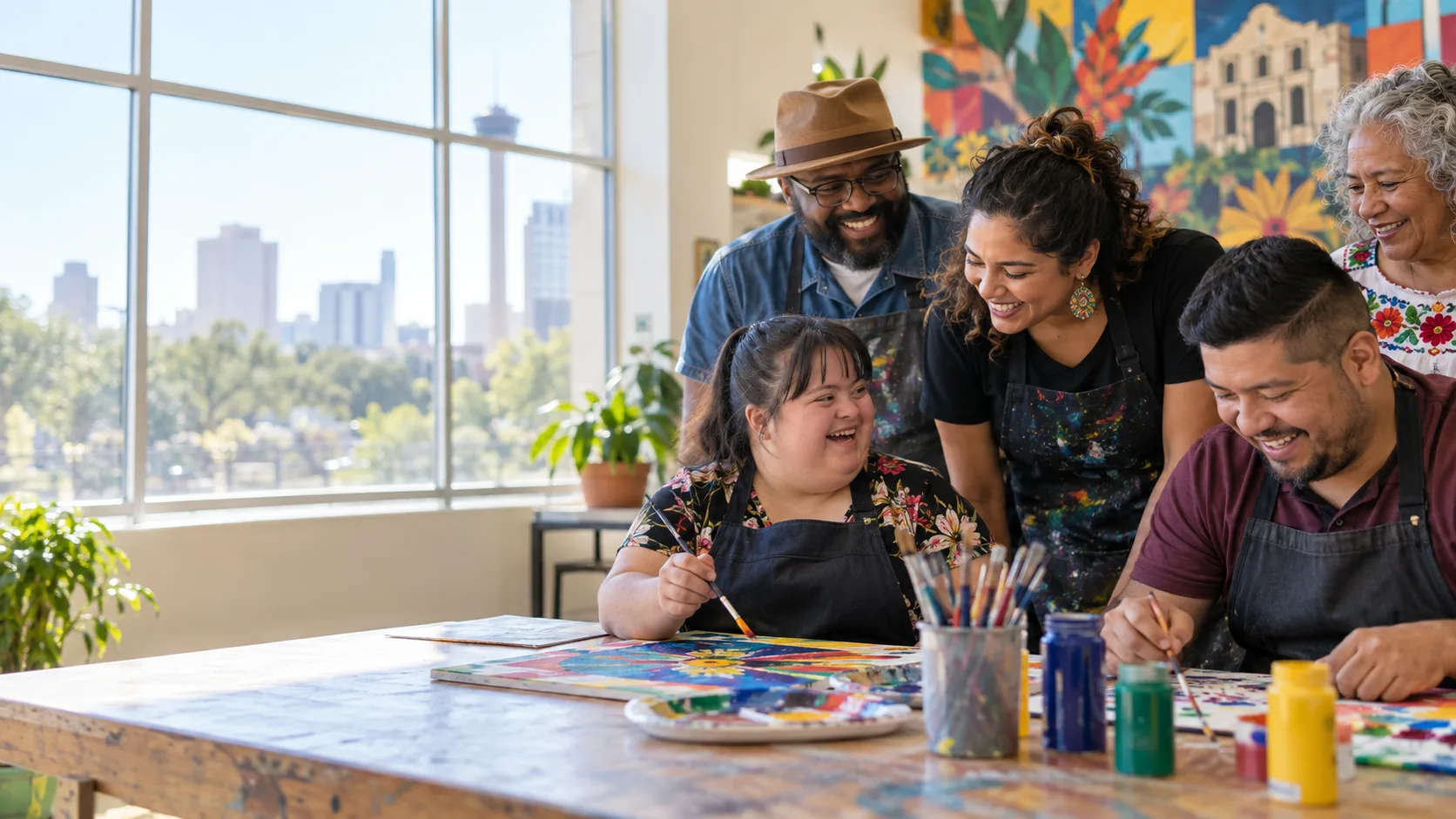
A community space becomes more inclusive when people can understand what will happen, decide how they want to take part, and ask for what they need without embarrassment. Inclusion is not a special feature added at the end. It is a series of practical choices made before, during, and after a gathering.
What makes a community space feel welcoming?
A welcoming space gives people useful information before they arrive. Share the location, parking details, schedule, expected noise level, activity format, and a contact person. Clear information lowers uncertainty and lets people decide whether the setting feels right for them.
Welcome people with ordinary language. Ask how someone would like to participate instead of assuming what support they need. Make it easy to step away, observe, join later, or leave early.
Which design choices reduce barriers?
Start with the basics: readable signs, a clear path through the room, seating options, accessible restrooms, and enough time between activities. A quieter corner can help people who need a break from conversation or sound.
Flexible participation matters as much as physical access. Offer activities that can be done standing or sitting, alone or with a partner, using hands or conversation. The goal is not to make every person use the same path. The goal is to make more than one path possible.
How can volunteers support inclusion?
Volunteers set the tone. A good volunteer greets people without crowding them, explains what is happening, and waits for a response. They do not touch mobility equipment, speak for someone, or treat a person like a project.
Before an event, give volunteers a short briefing with the schedule, access information, and a clear reminder to ask rather than assume. After the event, invite feedback about what felt easy and what could improve next time.
Questions to ask before your next gathering
- Can people find the important information before they arrive?
- Can someone participate without having to explain private details?
- Are there quiet, seated, and observation-friendly options?
- Does the welcome communicate respect rather than pity?
Frequently asked questions
Does an inclusive space need to be perfect?
No. It needs to be thoughtful, honest, and open to improvement. Tell people what is available, name any limits, and invite practical feedback.
How do I ask someone what support they need?
Ask a simple question such as, “What would make this easier for you?” Then listen and respect the answer. If someone does not want help, accept that choice.
Want to help create more welcoming gatherings? Learn how to get involved or explore our community programs.